request to quote
Leave Your Message
0%

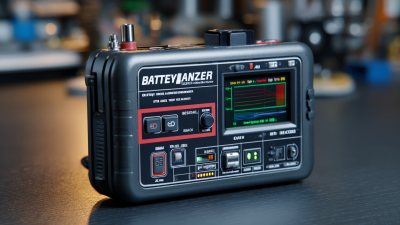
In today's tech-heavy world, you really can't underestimate how important a reliable Lithium Battery Tester is. Whether you're dealing with your gadgets or electric cars, batteries are pretty much everywhere. Keeping these batteries in good shape is super crucial because it helps prevent sudden power drops or total battery failures. A good tester can save you a lot of headaches!

Now, there's no shortage of options out there. Some are pretty simple, and others are more advanced. Honestly, it can get a bit overwhelming trying to choose the right one. Take the Aa Lithium Battery Tester, for example—it’s pretty popular because it’s versatile and easy to use, making it a good fit for different needs.

That said, not all testers are created equal. Some might not be all that accurate, or they might miss checking certain key metrics. That’s why it’s always a good idea to read reviews and hear from other users—it can really help you figure out what’s worth it. At the end of the day, choosing the right Lithium Battery Tester isn’t just about the bells and whistles; it’s about knowing what you actually need to keep your batteries healthy and reliable.

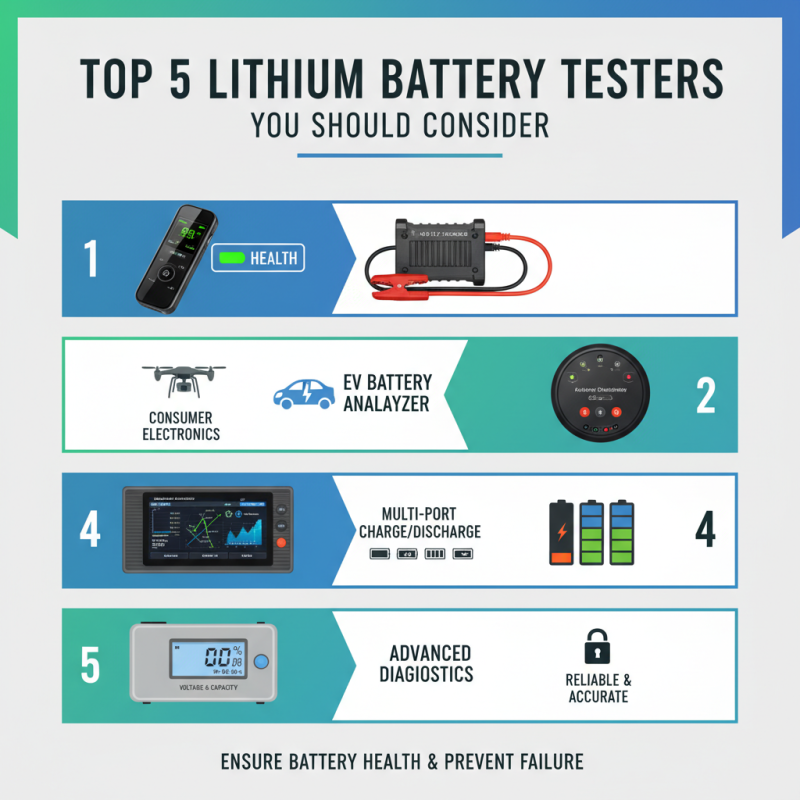
Top 5 Lithium Battery Testers You Should Consider?

Introduction to Lithium Battery Testers

Lithium Battery Testers are essential tools for anyone who works with lithium batteries. These devices help in assessing battery health and performance. When choosing a tester, consider its accuracy and ease of use. A good lithium battery tester should provide clear readings. Look for designs that offer simple user interfaces.

Tips: Always check the compatibility of the tester with your specific battery type. Some testers may not work universally, leading to inaccurate results.

Battery testing can sometimes feel confusing. It’s not uncommon to misinterpret the readings. Be aware that external conditions can affect battery performance. Testing in a stable environment often yields better insights.

Tips: Regularly update your testing methods as technology evolves. A tester that was once effective may become outdated. Stay informed about new advancements in battery technology for optimal performance.

Key Features to Look for in Lithium Battery Testers

When choosing a lithium battery tester, key features matter. Look for accurate voltage readings. This ensures your batteries are in good condition. A tester should display both voltage and capacity. Users need to know how much energy is left. The interface must be easy to understand. A clear display saves time and avoids confusion.

Battery compatibility is crucial. Testers should work with various lithium batteries. Some models may not support all battery types. This can lead to inaccurate readings or damaged batteries. A good Lithium-Ion Battery Tester will adapt to different sizes and configurations.

Tips: Always read the specifications before purchasing. Check for any user reviews. These can highlight potential issues. A tester might claim versatility but fail in practice. Safety features are also significant. They protect against overcharging and short-circuiting.

Investing in a quality tester pays off. It helps maintain battery life and performance. A reliable tester becomes an essential tool. Reflect on your needs before making a decision.

Top 5 Lithium Battery Testers You Should Consider

Top Criteria for Selecting Lithium Battery Testers

When selecting a lithium battery tester, certain criteria stand out. Accuracy is crucial. A reliable Lithium Ion Battery Tester should give precise readings. This ensures you understand how much energy your battery retains. Always check the tester's specifications for measurement accuracy.

Another important factor is compatibility. Not all testers work with every lithium battery. Make sure the tester suits the specific type of lithium battery you are using. Check for features compatible with various battery sizes and chemistries. This will save you time and frustration in the long run.

**Tip:** Look for testers with user-friendly interfaces. A complex design can lead to user errors. Ease of use is vital for effective battery testing.

Battery life and durability also matter. A high-quality lithium ion battery tester should withstand daily use. Avoid testers that feel flimsy or have weak connections. They may fail when you need them the most.

**Tip:** Read user reviews before making a purchase. They offer real-life insights on performance. Don’t forget that every tester may have its quirks. Reflecting on others' experiences can guide you to a better choice.

Review of the Best Lithium Battery Testers on the Market

When it comes to choosing the best lithium battery testers, several options stand out. A reliable Lithium Battery Discharge Tester helps evaluate battery health and performance. Many testers are user-friendly, featuring simple displays. This makes it easier for anyone to check their battery condition. However, some models might lack detailed analysis options. Users may find that these basic testers do not offer in-depth insights.

It's important to look for testers with comprehensive features. Some advanced models can provide real-time data on voltage and current. This level of detail can help in making informed decisions about battery usage. Still, these testers can be more expensive. Potential buyers need to weigh the cost against the benefits provided.

In reviewing various products, you may notice inconsistencies in user experiences. Some testers claim impressive accuracy but fail in practical scenarios. This reflects the need for thorough research before a purchase. Not every tester will meet your expectations. A hands-on approach often leads to better results in choosing the right lithium battery discharge tester for your needs.

Comparative Analysis: Performance of Selected Testers

When selecting a Lithium Battery Tester, performance is key. Recent studies show that battery testers vary widely in accuracy and features. Some testers can assess battery health in various conditions. They can measure voltage, internal resistance, and capacity. A well-designed tester can provide insights in minutes.


Tips: Always look for testers with clear displays. A bright screen is easier to read in different lighting. Consider testers with user-friendly interfaces. They save you time and make the testing process more efficient.


Many testers on the market lack critical capabilities. For instance, not all models can test under load conditions. This means their readings might not reflect real-world usage. A good tester should simulate actual battery stress. Industry reports highlight that up to 30% of testers fail in demanding scenarios. Users need to reflect on these aspects. Choose wisely to ensure reliable battery assessments.

User Feedback and Ratings of Top Lithium Battery Testers

When searching for lithium battery testers, user feedback plays a crucial role. Customers often share their hands-on experiences. Many testers receive praise for their accurate readings and user-friendly designs. Ease of use is a common highlight. Users appreciate clear instructions and well-positioned displays.

However, not all feedback is positive. Some testers might lack durability. Users have reported issues with materials that feel cheap or flimsy. This raises questions about long-term reliability. Charging accuracy can also vary widely among different models. Users have noticed significant discrepancies in results.

A tester that works well for one user may not meet another's standards. Comparisons are essential. Users often recommend testing multiple brands. This trial-and-error approach helps in finding the right fit. Investing time into reviews can lead to better choices. Ultimately, real-world feedback provides invaluable insights into product performance.

Maintenance and Calibration Tips for Lithium Battery Testers

Top 5 Lithium Battery Testers You Should Consider?

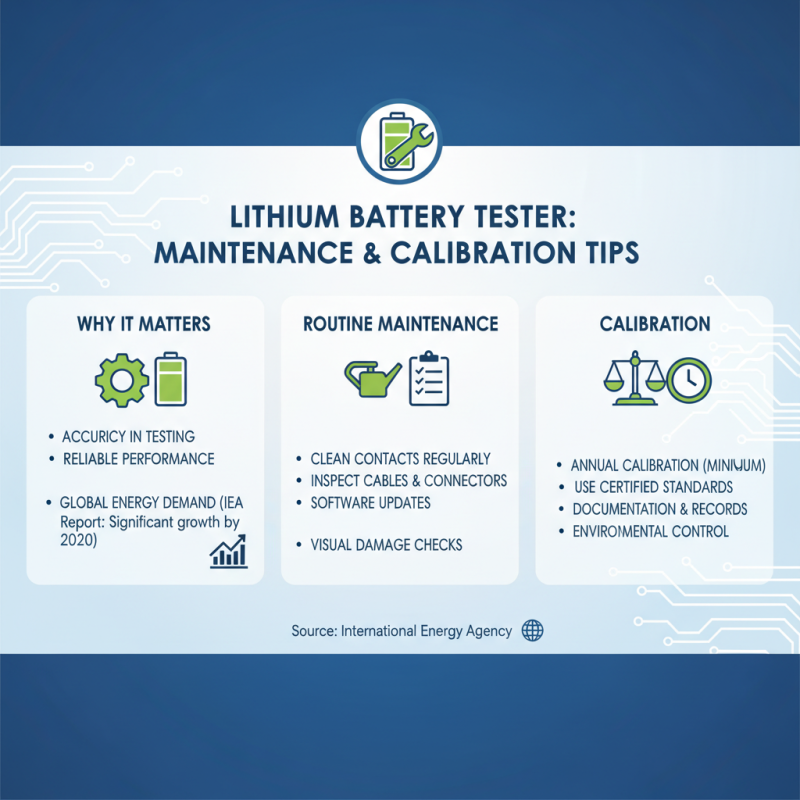
Lithium battery testers are essential tools in the energy sector. Regular maintenance is crucial for accuracy in testing. According to a report by the International Energy Agency, the global demand for lithium batteries is projected to grow significantly by 2030. Therefore, reliable performance from testers is necessary.

Calibrating your lithium battery tester ensures precise results. It is recommended to perform calibration every six months for optimal accuracy. Dust and moisture can affect the tool's performance. Regular cleaning with a soft cloth can prevent dirt build-up. Battery testers are sensitive instruments. Improper handling can lead to erroneous readings. It’s important to conduct routine checks on the device's functionality.

In addition to calibration, paying attention to software updates is vital. Outdated firmware can lead to discrepancies. Stay informed about the latest advancements in testing technology. Even small technical improvements can enhance efficiency. The testing environment should also be controlled. Avoid extreme temperatures and humidity fluctuations. These factors can seriously impact battery testing outcomes. Implementing these maintenance practices will ensure longevity and accuracy in your lithium battery tester.

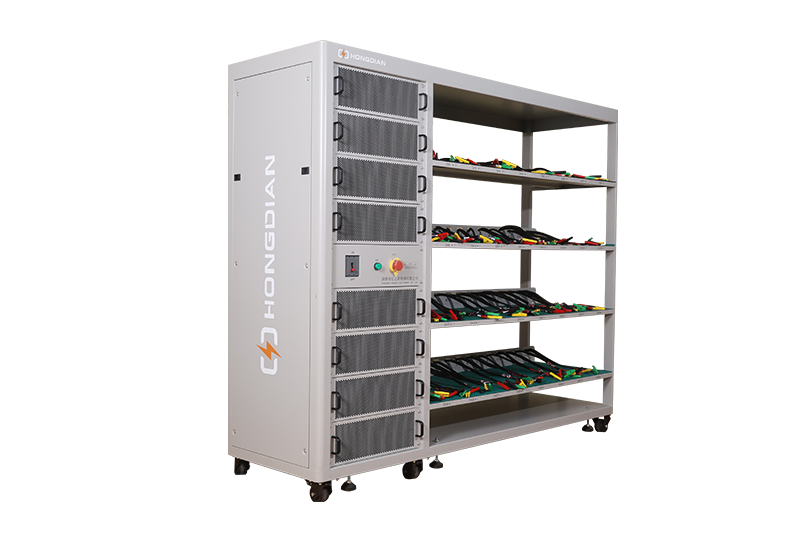
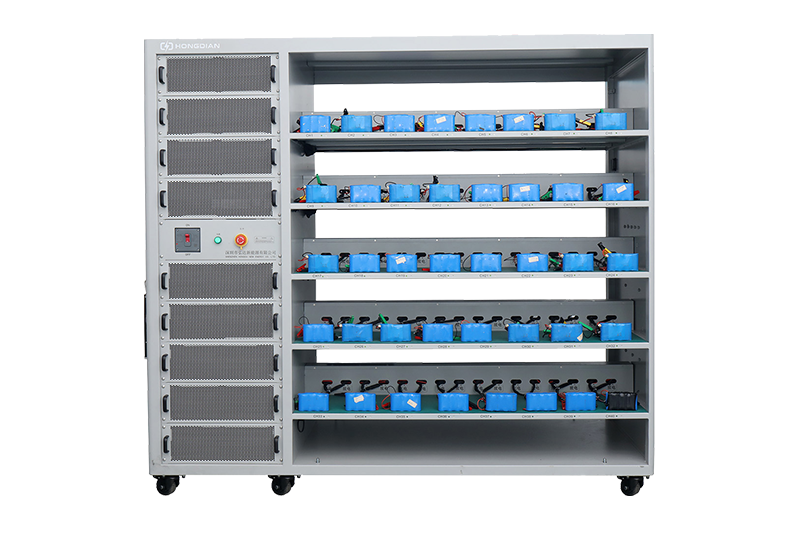
Innovative Solutions for Efficient Energy Management: Exploring the 80 Channel Battery Charging and Discharging Test Integrated Cabinet

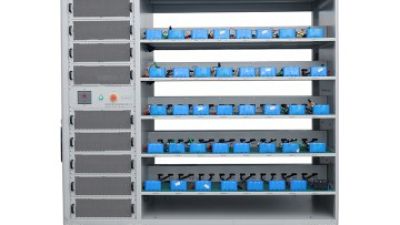
In an era where effective energy management is paramount, innovative solutions are leading the way in enhancing the evaluation of battery performance. The introduction of an advanced 80-channel testing system offers a groundbreaking approach to battery charging and discharging tests. This technology is engineered for precision and reliability, providing a comprehensive platform that allows for simultaneous testing of multiple batteries. According to the latest industry reports, efficient energy management systems can improve battery lifecycle and performance by up to 30%, making such innovations essential in maximizing energy use and minimizing waste.

The ability to conduct simultaneous tests not only accelerates the testing process but also increases data accuracy. Traditional methods often suffer from time delays and potential inaccuracies when evaluating battery performance. However, with modern systems capable of handling 80 channels concurrently, organizations can expect a more efficient workflow and enhanced operational capabilities. Reports from the International Battery Association indicate that batteries are projected to dominate the energy market, with an expected annual growth rate of 20% between 2023 and 2030. Thus, refining the testing process is critical as the demand for energy storage solutions continues to surge.

Furthermore, utilizing integrated cabinets that streamline the testing process can substantially reduce operational costs. By implementing advanced 80-channel testing systems, researchers and manufacturers can leverage real-time data analytics to gain insights into battery functionality and longevity. Industry experts claim that adopting such cutting-edge technology can reduce testing times by nearly 50%, affirming its status as a pivotal tool in the quest for effective energy management solutions. Integrating these innovations into standard practices not only enhances energy efficiency but also supports the broader transition toward sustainable energy solutions.

FAQS

: What are lithium battery testers used for?

: They assess battery health and performance. Testing helps determine if a battery is functioning well.

How can I choose a good lithium battery tester?

Look for accuracy and user-friendliness. Clear readings and simple interfaces are key features to consider.

Why is checking compatibility important for battery testers?

Some testers don’t work with all battery types. Incompatible testers may give inaccurate results.

How do external conditions affect battery testing?

Testing in stable environments gives clearer insights. Fluctuating conditions might lead to misleading results.

What maintenance is needed for lithium battery testers?

Regular cleaning and calibration are essential. Calibration every six months ensures precise readings.

How often should I calibrate my tester?

Every six months is recommended for optimal accuracy. Calibration keeps the tester reliable and effective.

What issues have users reported with lithium battery testers?

Some testers lack durability and can feel flimsy. This raises concerns about long-term reliability and trust.

How do software updates impact battery testers?

Outdated firmware may cause discrepancies. Keeping software up-to-date ensures better accuracy.

Should I rely solely on one tester?

No. Testing multiple brands can provide better comparisons. Each tester may perform differently in real-world scenarios.

What happens if I mishandle my battery tester?

Improper handling can lead to erroneous readings. It’s crucial to treat these tools with care for accurate results.

Conclusion

Lithium battery testers are essential tools for anyone working with lithium batteries, providing crucial insights into battery health and performance. The article begins by introducing the importance of these testers and outlines key features to consider, such as accuracy, user-friendly interfaces, and compatibility with various battery types. Selecting the right lithium battery tester involves understanding specific criteria, including measurement capabilities and reliability.

The review section highlights the best testers currently available on the market, offering a comparative analysis of their performance based on user feedback and ratings. Additionally, the article emphasizes the significance of proper maintenance and calibration to ensure the longevity and accuracy of lithium battery testers. By following these guidelines and insights, users can make informed decisions and enhance their battery management practices.

Ethan

Ethan

Ethan is a dedicated marketing professional at Shenzhen Hongda New Energy Co., Ltd., where he has been instrumental in expanding the company's reach and enhancing its brand presence globally. With a deep understanding of the company's innovative products, Ethan plays a crucial role in the strategic......
Previous Unlock Global Opportunities with Acid Battery Testers at the 137th Canton Fair